


Severe tooth pain has a unique way of stopping you in your tracks. Whether it is a sharp jolt every time you bite down or a persistent, throbbing ache that keeps you awake at night, the discomfort can feel completely overwhelming.
It is important to remember that tooth pain is rarely a random occurrence; rather, it is a critical signal from your body that something is wrong beneath the surface. Understanding the common and hidden causes of this distress can help you take the necessary steps toward relief and long-term oral health.
Common Culprits of Dental Distress
1. Advanced Tooth Decay
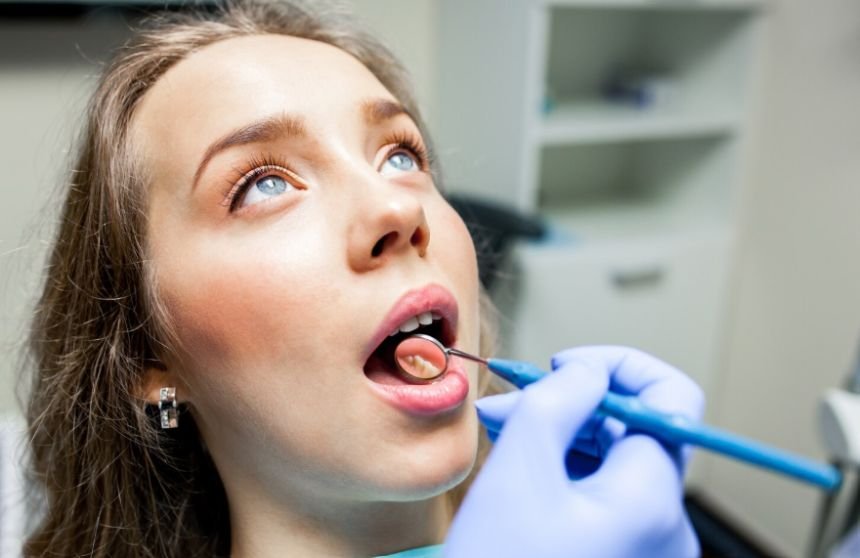
The most frequent cause of tooth pain is dental caries, or cavities. Decay begins when bacteria in the mouth produce acids that erode the protective enamel.
While early-stage cavities may only cause mild sensitivity to sweets or temperature, the pain intensifies as the decay reaches the inner layers of the tooth, such as the dentin and the nerve-rich pulp. Once the pulp is involved, the pain often becomes deep, sharp, and persistent.
2. Dental Abscess
An abscess is one of the most painful dental conditions and is considered a serious emergency. It occurs when a bacterial infection causes a pocket of pus to form at the root or between the tooth and the gum. The resulting pressure creates intense, throbbing pain that can radiate to the jaw, ear, or neck. Common symptoms include facial swelling, fever, and a foul taste in the mouth.
3. Gum Disease (Periodontal Disease)

While gingivitis might only cause minor bleeding, advanced periodontitis can lead to significant tooth pain. As the infection spreads, the gums pull away from the teeth, creating pockets that harbor bacteria. This process can expose the sensitive tooth roots and damage the bone and tissues supporting your smile, leading to loose teeth and chronic discomfort.
4. Cracked or Fractured Teeth
Teeth can sustain damage from biting hard objects, sports injuries, or chronic grinding. A crack may not always be visible to the naked eye, but it can reveal itself through sharp pain during chewing or sudden sensitivity to temperature changes. These fractures expose the inner nerves, making even the simplest daily tasks painful.
Sneaky and Hidden Causes
5. Sinus Infections

Surprisingly, not all toothaches originate in the teeth themselves. Because the upper back teeth are located near the sinus cavities, inflammation or pressure from a sinus infection can cause a dull ache in the upper molars. This type of “referred pain” often occurs alongside nasal congestion and facial pressure.
6. Teeth Grinding (Bruxism)
Many people grind their teeth or clench their jaws during sleep without realizing it. Over time, this habit—known as bruxism—can wear down enamel, strain the jaw muscles, and even crack teeth. This often results in morning tooth sensitivity, jaw soreness, or tension headaches.
Teeth grinding can also be connected to disrupted sleep patterns, nighttime breathing issues, and morning fatigue. If you often wake up with jaw pain, headaches, or worn teeth, it may also be worth on looking our for the sleep apnea warning signs to understand whether your tooth pain could be linked to a larger sleep-related issue.
7. Impacted Wisdom Teeth
If there is not enough room for wisdom teeth to emerge, they can become impacted. These teeth may push against neighboring molars, causing significant pressure, swelling, and localized pain at the back of the mouth.
Managing Pain and Seeking Help
While waiting for professional care, you can manage minor discomfort by rinsing with warm saltwater to reduce inflammation or using cold compresses for swelling. However, persistent or severe pain should never be ignored.
If you experience intense, throbbing pain, facial swelling, or fever, you should see a professional immediately. For those in Alaska, seeking an emergency dentist in Wasilla can provide the rapid intervention needed to stop an infection from spreading and to restore your comfort.
Final Thoughts
Tooth pain is your body’s way of signaling that your oral health needs attention. Whether the cause is a simple cavity or a complex infection, early diagnosis is the key to saving your tooth and avoiding more invasive, costly procedures later.
Oral health is only one part of feeling confident and comfortable in daily life. Some people also explore skin and wellness treatments, like micro needling, as part of a broader self-care routine focused on long-term appearance and well-being.
By maintaining good hygiene habits—like brushing with fluoride toothpaste and flossing daily—you can prevent many of the issues that lead to severe dental discomfort.
Leave a Reply