

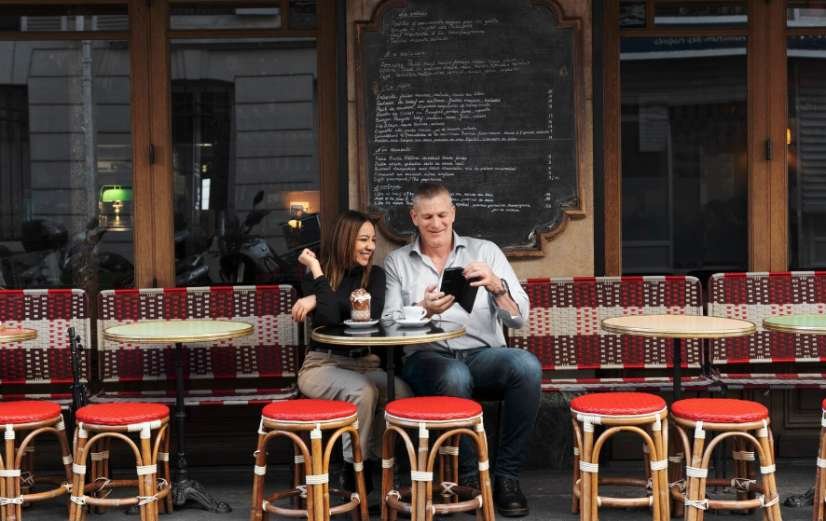
The journey of a diner does not begin at the table; it starts the moment they catch a glimpse of your building from across the street. In the competitive culinary world, the exterior of your restaurant acts as a silent host, signaling the quality of the experience that awaits within.
A well-designed facade does more than just display your name; it builds anticipation, establishes your brand’s personality, and ultimately converts passersby into patrons.
The Power of the First Impression
First impressions are powerful and often permanent. The exterior of your property sets the tone for the customer’s entire experience, influencing their decision to step through the door or continue walking.
A polished, well-maintained exterior not only attracts more interest but also enhances your standing within the local business community. When a facility looks professional and cared for, clients naturally assume that the service and the food follow the same high standards.
A strong online presence should support that same first impression, to get business on Apple Maps can help nearby diners find your restaurant before they even pass your storefront.
Framing Your Vision with Greenery

Strategic landscaping is one of the most effective ways to soften the harsh architectural lines of a commercial building. Professional landscaping frames your restaurant, guides foot traffic toward the entrance, and adds a burst of natural color that makes your business feel established and thriving.
For restaurants in Utah, the environment presents unique challenges. Dead or overgrown plants can be more detrimental to your image than having no plants at all.
This is why utilizing professional commercial landscaping in Eagle Mountain is essential for businesses that want to maintain a lush, welcoming appearance year-round. Local experts understand how to select drought-tolerant species and hardscaping materials that can withstand local weather extremes while remaining beautiful.
A successful landscape plan for a restaurant might include:
- Seasonal Color: Rotating vibrant flowers in planters near the entrance to keep the look fresh.
- Tree Care: Pruning limbs to ensure they do not block signage or walkways.
- Irrigation Management: Ensuring sprinklers are properly timed so they don’t spray customers or create slip hazards on the sidewalk.
Hardscaping: The Foundation of Outdoor Dining
The “Street to Seat” transition is most literal when it involves outdoor dining spaces. Hardscaping—the non-living elements of your landscape—provides the functional foundation for these areas. High-quality pavers or decorative concrete can transform a simple sidewalk into a custom patio or an elegant outdoor gathering space.
These elements should be designed for both durability and visual appeal. For example, professional concrete solutions are ideal for high-traffic areas like driveways and walkways because they are low-maintenance and long-lasting.
Incorporating unique paver designs can help define different zones, such as a waiting area versus a dining section, creating a sense of organization and luxury even before the guest enters the building.
Modern Lighting for Ambiance and Safety
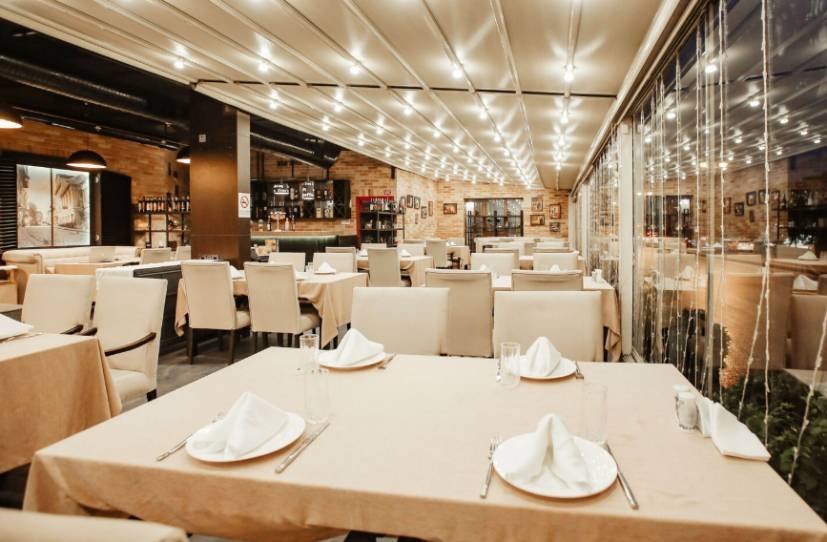
Lighting serves a dual purpose for any business: security and ambiance. A dimly lit entrance can make visitors feel uneasy, whereas a well-lit building acts as a beacon, signaling that you are open and attentive to your environment.
Modernizing your exterior lighting can significantly impact first impressions. Swapping old, yellow-hued lights for crisp, energy-efficient LEDs creates a more modern feel and renders colors better.
Consider architectural lighting that highlights specific features of your building, such as textures or columns, to create a sophisticated nighttime silhouette. Furthermore, motion-sensor lighting in rear areas can deter vandalism, protecting your investment after hours.
The Threshold: Refining the Entryway
The entryway is the final transition point in the customer journey. This area receives the most wear and tear and requires constant attention. Small details matter: a squeaky hinge, chipped paint on the front door, or smudged glass can subtly detract from the professional image you’ve worked hard to build.
Invest in high-quality entrance mats to keep the interior floors clean and professional. If space allows, adding a clean architectural bench or a stylish waste bin adds both functionality and style to the threshold.
By focusing on these tactile details—signage, cleanliness, and the physical brand—you instill confidence in your guests before they even see a menu.
A polished exterior also reflects strong business direction, and to become a business coach can help restaurant owners understand branding, customer trust, and growth strategy more clearly.
Investing in your restaurant’s facade is an investment in your brand’s reputation. Whether you are refreshing the paint or hiring a professional team for comprehensive landscaping, every improvement bridges the gap between the street and the seat, ensuring your guests feel welcome from the very first glance.
Leave a Reply