


Skipping a dental checkup might feel harmless, especially when your teeth seem fine. But small problems rarely stay small. What starts as a minor cavity can quietly grow into a costly, painful issue that affects your whole body. This post breaks down the real long-term costs of missing routine dental visits—for both your health and your wallet—and shows how a little prevention goes a long way.
The Importance of Preventative Dental Care

Preventative care is the foundation of a healthy smile. Regular checkups allow your dentist to spot trouble before it turns serious, saving you discomfort and expense down the road.
Beyond Brushing and Flossing
Good home habits matter, but they only do so much. Even the most diligent brushing and flossing can’t reach every surface or remove hardened tartar. Professional cleanings clear away buildup that leads to decay and gum disease. Your dentist can also examine areas you simply can’t see on your own, catching warning signs early.
Early Detection of Issues
One of the biggest benefits of routine visits is early detection. Cavities, gum disease, and even oral cancer are far easier to treat in their earliest stages. A quick exam or X-ray can reveal hidden problems before they cause pain. Catching an issue early often means a simple, affordable fix instead of a complex procedure later.
Financial Implications of Neglecting Oral Health
Avoiding the dentist may feel like a way to save money, but the opposite is usually true. The longer a problem goes untreated, the more it costs to repair.
Rising Costs of Restorative Treatments
A routine cleaning and exam cost very little compared to restorative work. A small filling is inexpensive, but a neglected cavity can lead to a root canal, a crown, or even an extraction. Each step up the treatment ladder brings a bigger price tag. By skipping checkups, you risk trading a minor expense for a major one.
The Domino Effect of Untreated Problems
Dental problems rarely stay put. An untreated cavity can spread infection to the root and surrounding tissue. A lost tooth can cause neighboring teeth to shift, leading to bite problems and further treatment. One small issue can set off a chain reaction that grows more complicated—and more expensive—with every passing month.
Health Consequences Beyond Your Mouth

Your oral health is closely tied to the rest of your body. Neglecting your teeth and gums can have effects that reach far beyond your smile.
Oral Health and Systemic Diseases
Research has linked gum disease to several serious conditions, including heart disease, diabetes, and respiratory infections. The bacteria that cause gum infections can enter your bloodstream and contribute to inflammation throughout the body. Keeping your mouth healthy is one way to support your overall well-being.
Impact on Quality of Life
Poor oral health affects more than your physical condition. The real reasons your tooth hurts so much often go beyond a simple cavity and may include infection, nerve irritation, gum disease, or untreated dental damage. Tooth pain can disrupt sleep, make eating difficult, and interfere with daily tasks. Missing or damaged teeth can also affect your confidence and the way you speak. Over time, these challenges can take a real toll on your comfort, overall well-being, and self-esteem.
Maintaining Optimal Oral Hygiene Between Visits
Regular checkups work best when paired with strong daily habits. What you do at home between appointments plays a major role in protecting your teeth.
Effective Brushing and Flossing Techniques
Brush at least twice a day for two minutes, using gentle, circular motions to reach every surface. Don’t forget to brush along the gumline, where plaque tends to gather. Floss once a day to remove debris and buildup between teeth. Using the right technique makes a noticeable difference in keeping decay at bay.
Dietary Choices and Oral Health
What you eat directly affects your teeth. Sugary snacks and acidic drinks feed the bacteria that cause cavities and erode enamel. Choosing water, crunchy vegetables, and calcium-rich foods helps strengthen your teeth and rinse away harmful particles. Small dietary changes can support a healthier smile over time.
The Value of Consistent Professional Care
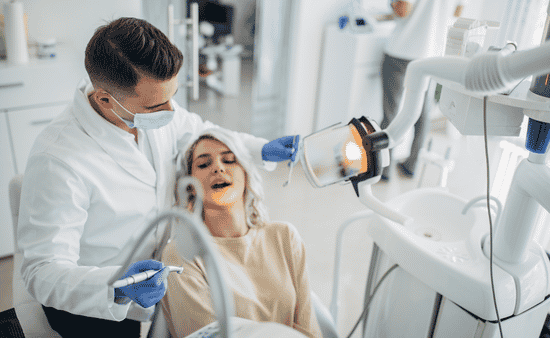
Seeing your dentist regularly does more than keep your teeth clean. It builds a clear picture of your oral health and helps you plan for the future.
Understanding Your Dental Health Profile
Consistent visits allow your dentist to track changes over time and tailor care to your needs. This personalized approach makes it easier to spot patterns and address problems before they grow. If you ever need a major procedure, such as tooth replacement in Wasilla, an established dental history helps your provider recommend the best treatment for your situation.
Long-Term Savings and Benefits
Investing in routine care pays off over the years. By preventing serious issues, you avoid the high costs of emergency treatments and complex procedures. You also enjoy the lasting benefits of a healthy, functional smile. Consistent professional care is one of the smartest investments you can make in your long-term health.
Conclusion
Skipping dental checkups may save time today, but it often leads to higher costs tomorrow. Routine visits protect your health, your comfort, and your finances. Don’t wait for pain to remind you—schedule a checkup today and give your smile the care it deserves.
Leave a Reply