


The landscape of work has undergone a seismic shift over the last decade. No longer confined to traditional cubicles or home offices, professionals are increasingly turning to shared environments that offer flexibility, community, and professional amenities. However, for an operator, the “build it and they will come” philosophy is a relic of the past. Success in today’s competitive market requires a blend of hospitality, technological prowess, and strategic asset management.
To thrive, operators must move beyond providing a desk and a Wi-Fi connection. They must curate an experience.
Prioritize the “Community” in Co-Working
The true value of a co-working space lies in the network it fosters. A successful operator acts as a community curator rather than a landlord. This begins with understanding who your members are—freelancers, tech startups, or remote corporate employees—and creating opportunities for them to connect.
Hosting regular networking events, lunch-and-learns, and even social mixers can transform a silent room into a vibrant ecosystem. When members feel they are part of a community, their retention rate increases significantly. They aren’t just paying for a desk; they are paying for a professional support system.
Seamless Technology Infrastructure
In a co-working environment, technical friction is the fastest way to lose members. Your infrastructure must be invisible and infallible. This means more than just high-speed fiber internet; it requires redundant backups, enterprise-grade security protocols, and easy-to-use printing and AV solutions.
Investing in a robust member management platform is also critical. Members should be able to book conference rooms, pay invoices, and register guests through a mobile app with minimal clicks. Automation in these areas reduces your overhead and provides a professional, “tech-forward” impression that aligns with the modern worker’s expectations.
Flexible Layouts and Functional Design
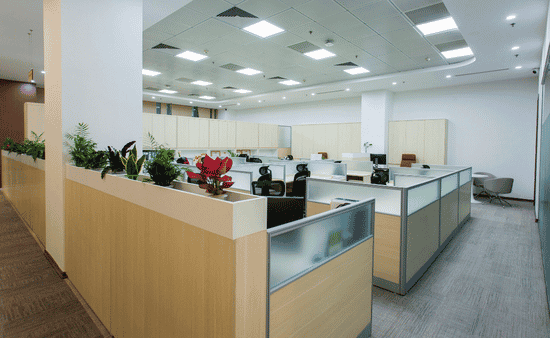
A space that looks beautiful but lacks functionality will ultimately fail. Modern co-working spaces must cater to diverse work styles. This involves a strategic mix of open-plan “hot desks,” dedicated desks for consistent users, and private offices for growing teams.
Furthermore, privacy is becoming a premium commodity. The demand for soundproof phone booths and small meeting pods has skyrocketed as video conferencing becomes the default for many industries.
Effective Workplace Communication depends on having dedicated spaces where members can participate in virtual meetings, collaborate with colleagues, and hold confidential discussions without distractions. A successful design balances the aesthetic appeal of a modern lounge with the ergonomic necessity of a focused workstation, ensuring both productivity and professional communication needs are met.
Operational Excellence and Asset Maintenance

Running a co-working space is, at its heart, a service business. The cleanliness of the common areas, the quality of the coffee in the kitchen, and the responsiveness of the on-site staff define the brand.
In competitive regions experiencing rapid urban growth, operators often find that the physical integrity of the building is just as important as the interior decor.
To maintain a premium standard, many successful operators seek guidance from experts in commercial property management in Salt Lake City to ensure their facility meets all safety, compliance, and structural standards. Partnering with seasoned professionals allows operators to focus on member experience while the “bricks and mortar” aspects of the business are handled with precision.
The Power of Amenities
Amenities are often the deciding factor for prospective members. While free coffee and tea are standard, today’s operators are leveling up. Wellness rooms, bicycle storage, on-site gyms, or even partnerships with local businesses for member discounts can provide a competitive edge.
However, amenities should always be intentional. If your space caters to creatives, perhaps a podcast studio or a high-end photo lab provides more value than a gym membership. Understand the specific pain points of your target demographic and provide solutions that make their workdays smoother and more enjoyable.
Marketing and Local Presence
A successful space must be deeply integrated into the local economy. Building partnerships with local chambers of commerce and small business associations can create a steady pipeline of referrals. Your marketing should highlight the unique “flavor” of your space—whether that is a focus on sustainability, high-tech innovation, or a cozy, boutique atmosphere.
Content marketing also plays a vital role. By positioning your brand as a thought leader in the future of work, you attract businesses that value innovation and professional growth.
In Conclusion
The evolution of the co-working industry shows no signs of slowing down. For operators, the key to longevity is adaptability. By focusing on community engagement, flawless technology, and meticulous facility management, you can create a space that doesn’t just house businesses but helps them grow. In a world where the office is optional, make your space the place where people choose to be.
Leave a Reply