

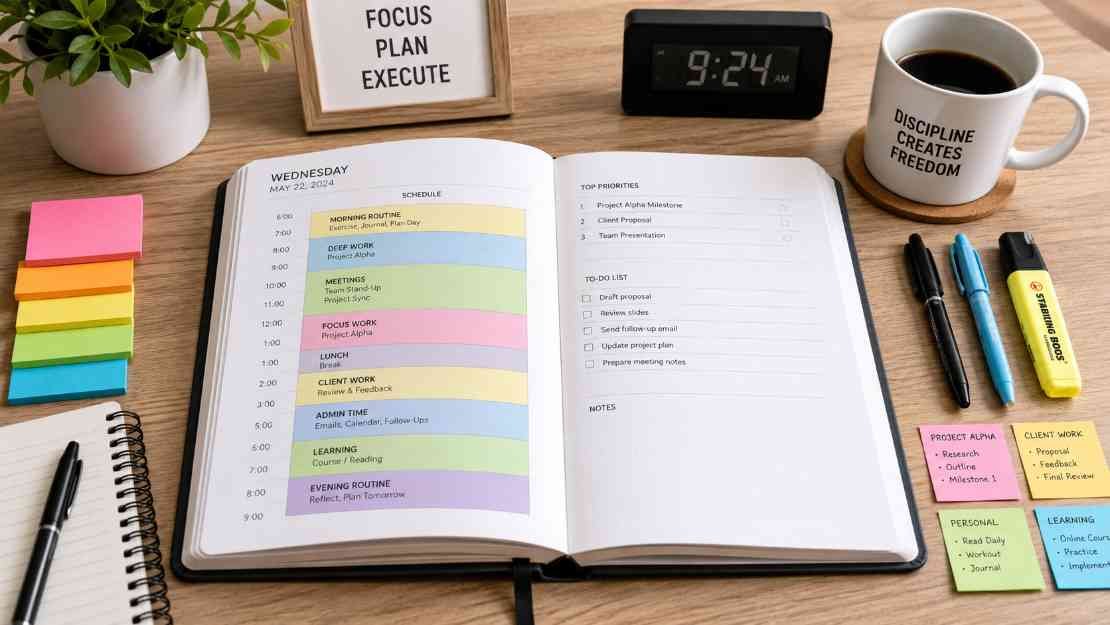
In today’s fast-paced world, managing time efficiently is crucial for success both personally and professionally. One effective tool that aids in time management is a daily planner. This article explores how using a daily planner can significantly enhance productivity and offers practical tips on integrating it into daily routines.
Understanding the Importance of a Daily Planner
A daily planner serves as an organised framework to document tasks, appointments, and goals for the day. It helps individuals prioritise their activities, avoid forgetting important commitments, and allocate adequate time for each task. By visualising the day in advance, users gain better control over their schedules.
Identifying Goals and Priorities
Maximising productivity starts with clearly identifying daily goals. A daily planner allows users to list essential tasks, distinguishing urgent responsibilities from those that can be deferred. This prioritisation ensures attention is directed towards activities with the highest impact. You can also include personal goals and leisure plans.
For example, planning a short getaway or a weekend trip can be organised within your planner to avoid last-minute stress. For curated ideas ,Holiday Rentals in Hunter Valley for Perfect Getaway offers a range of options.
Improving Focus and Reducing Distractions
Having a written plan minimises the likelihood of becoming sidetracked by interruptions or multitasking. When tasks are outlined explicitly within a daily planner, users can focus on completing each item sequentially, thereby preserving concentration and enhancing efficiency.
The Role of Consistency
Consistently using a daily planner each day promotes discipline and habit formation. This consistency enables users to develop a structured approach to work and personal tasks, which over time results in improved time management skills and reduced stress.
Choosing the Right Daily Planner
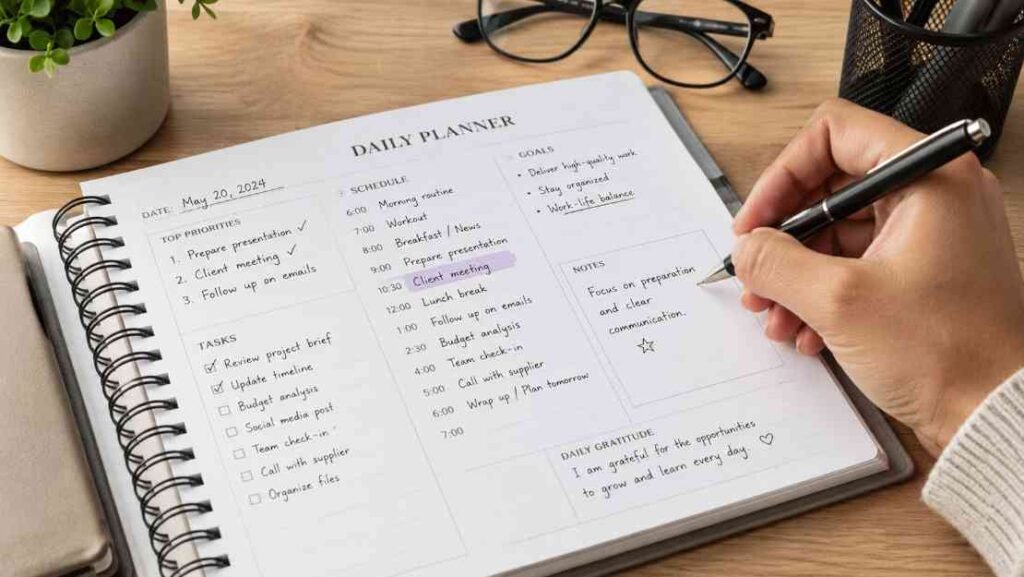
Selecting an appropriate daily planner is essential to ensure it matches individual preferences and lifestyle. Options vary from digital to physical formats. For those who prefer tangible tools, wall and fridge planners are popular choices as they remain highly visible and accessible.
Advantages of Wall and Fridge Planners
Wall and fridge planners offer a constant visual reminder of daily tasks. Their prominent placement in living or workspaces reinforces accountability. Additionally, these planners often have ample space to write detailed notes and can accommodate family or team schedules, fostering collaboration.
Integrating a Daily Planner with Technology

While physical planners are beneficial, they can be complemented with digital calendars and task management applications. Synchronising these tools helps users receive alerts and share schedules, combining the tangible benefits of a planner with the convenience of technology.
Time Blocking and Scheduling
A practical technique to maximise the utility of a daily planner is time blocking. This involves allocating specific time segments to distinct tasks. Such scheduling helps avoid overcommitment and ensures dedicated focus periods for critical activities.
Tracking Progress and Reflecting
Daily planners facilitate not only planning but also performance evaluation. At the end of each day, users can review completed tasks and note pending items. This practice supports continuous improvement by highlighting productivity patterns and areas requiring adjustment.
Setting Realistic Expectations
It is important to set achievable goals within the daily planner. Overloading the planner with excessive tasks can lead to frustration and reduced motivation. Users should balance ambition with practicality to sustain productivity. Turning goals into actionable steps can be learned through a Business Coach.
Reducing Stress and Enhancing Well-being

Using a daily planner can contribute to lowering stress levels by providing clarity and structure. Knowing what to expect throughout the day reduces anxiety and creates a sense of control, positively influencing overall well-being.
Encouraging Accountability
An effective daily planner promotes personal accountability. By recording commitments and tracking their completion, users develop responsibility for managing their time and meeting targets.
Customising the Daily Planner
Customisation improves user engagement with the planner. Incorporating sections for notes, habit tracking, or motivational quotes can make the planner more personalised and inspiring, thus encouraging regular use.
Collaborative Planning
In family or work environments, shared planners such as wall or fridge planners allow for coordinated scheduling. This shared visibility helps avoid conflicts and promotes teamwork.
Conclusion
Utilising a daily planner is a proven method to enhance productivity by providing structure, clarity, and focus. Whether choosing a wall, fridge, or digital planner, consistent use combined with realistic goal-setting and reflection supports effective time management. Incorporating a daily planner into routine practices fosters discipline and accountability, ultimately leading to better achievement of personal and professional objectives.
Leave a Reply