


The first time I searched how to unclog a toilet without a plunger, I had one goal: stop the water from rising and avoid an embarrassing overflow. If you’re in that moment now—take a breath. You can fix most clogs quickly using simple household items.
This guide gives you real, safe, proven methods that work without special tools. No plumber. No panic. No mess.
Why Do Toilets Clog so Easily?
Toilets clog when something blocks the trap—a curved pipe designed to hold water and keep sewer smells out. Excess toilet paper, wipes, sanitary items, or low-pressure flushing can cause material to get stuck in that bend.
Even modern low-flow toilets sometimes struggle with bulkier loads. Kids accidentally flushing toys or foreign objects is also a common cause. That’s why knowing the right unclogging method matters.
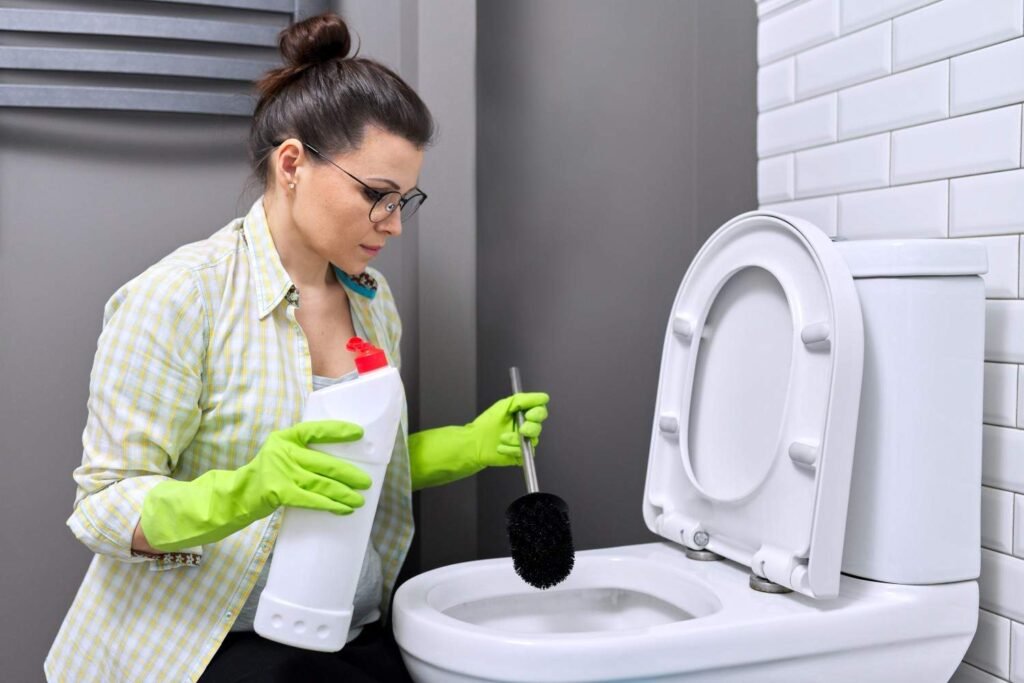
Important Safety Tips Before You Start
Before you try anything, keep these essential safety guidelines in mind:
1. Never use boiling water
Boiling water can crack the porcelain bowl. Use hot tap water only—around the temperature you’d use for washing dishes.
2. Don’t repeatedly flush
Forcing flushes can cause an instant overflow. If water levels are high, remove the tank lid and close the flapper (the round rubber stopper attached to a chain). This prevents more water from entering the bowl.
3. Avoid harsh chemicals unless necessary
Some commercial drain cleaners can damage your plumbing or a septic tank. Use them only as a last resort and choose a septic-safe, non-corrosive formula.
How to Unclog a Toilet Without a Plunger Using Home Items?
You can fix most toilet clogs using:
- Hot water
- Dish soap
- Baking soda and vinegar
- A wire hanger or makeshift snake
- A toilet brush wrapped in a plastic bag
The key is to let each method work long enough and avoid rushing flushes.
Can Hot Water and Dish Soap Unclog the Toilet Quickly?
Yes—and it’s usually the quickest method.
Dish soap acts like a lubricant, helping the clog slide through the trap. Hot water loosens materials and adds pressure.
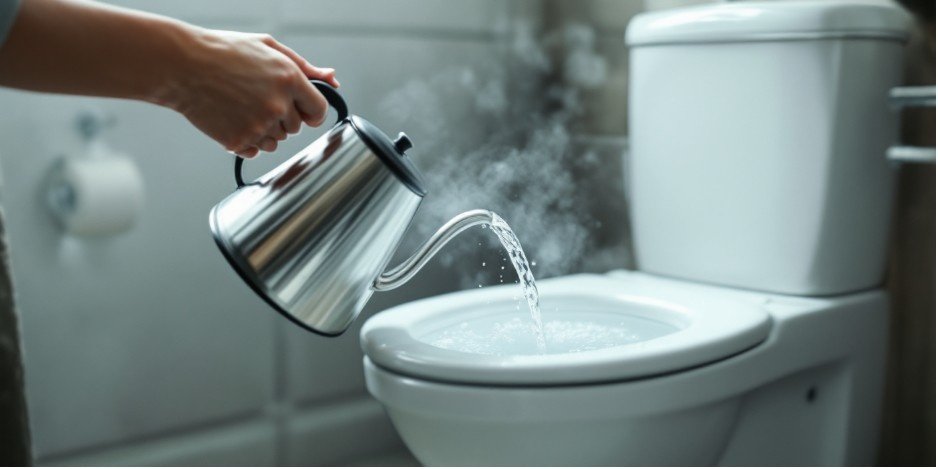
Step-by-step (with correct timing):
Start by squirting half a cup of dish soap directly into the toilet bowl. Let it sit for 10–30 minutes so it can penetrate and coat the clog.
Next, heat one gallon of hot tap water—not boiling—and pour it from waist height to create gentle pressure.
Wait a few minutes. If the water level begins dropping, the clog is breaking apart. Flush once.
If it doesn’t drain fully, repeat the process.
Does Baking Soda and Vinegar Really Work?
Yes—this natural reaction works extremely well for organic clogs.
Step-by-step (with real timing):
- Ensure the bowl is half full of water.
Pour 1 cup of baking soda into the toilet. - Slowly add 2 cups of white vinegar.
It will fizz strongly—let it work for 30 minutes or even overnight for tough blockages. - Afterward, pour in hot water and wait a few minutes.
Flush gently to test the result.
Can You Make a DIY Snake When You Don’t Have Tools?
Absolutely. You can unclog deeper blockages using simple items.
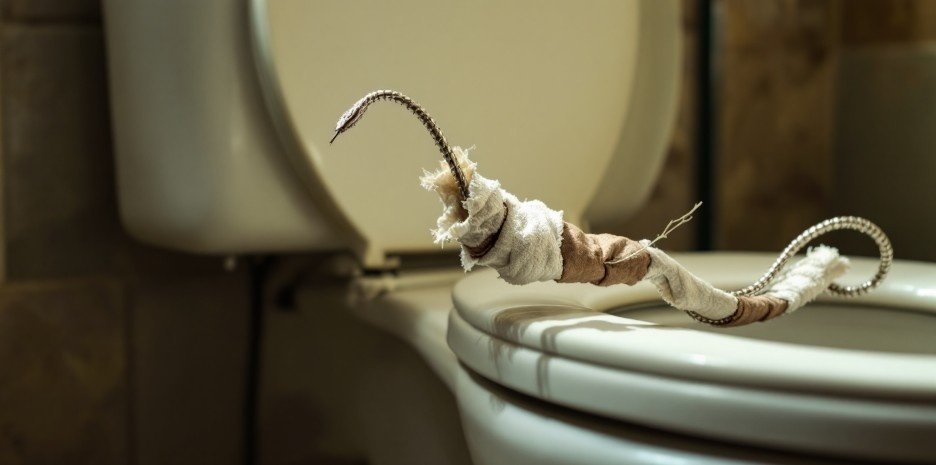
Wire Hanger Method
- Untwist a metal hanger until mostly straight, then bend one end into a small hook.
Wrap the hook with a cloth or tape to protect the porcelain. - Insert it gently into the drain hole and wiggle it to break or pull the blockage through.
- Move slowly to avoid scratching the bowl.
Toilet Brush + Plastic Bag Method
This one is surprisingly effective.
- Wrap a plastic bag over the toilet brush bristles and secure it with a rubber band.
- Insert it into the drain opening and push/pull like a plunger.
This creates pressure that often dislodges the clog instantly.
Both methods work well for tough, compacted toilet paper or small objects.
How About Store-Bought Drain Cleaners?
If natural methods fail, you can try septic-safe, non-corrosive drain cleaners.
Always follow the instructions carefully and use this as a last resort, especially if you have older plumbing.
Let the cleaner sit for the recommended time, then flush gently.
If the clog remains, it may be deeper in the line and require professional help.
How to Unclog a Toilet Without a Plunger Step-by-Step (All Methods)
This is your full roadmap, combining all the best approaches:
1. Dish Soap + Hot Water
This lubricates and loosens the clog.
Let the soap sit for 10–30 minutes before adding hot water.
Works best for mild to moderate blockages.
2. Baking Soda + Vinegar
Pour in the baking soda, then vinegar.
Let it react 30 minutes overnight.
Works well for organic clogs and odors.
3. Wire Hanger Snake
Straighten, wrap the end, and break apart stuck material.
Good for deeper or stubborn clogs.
4. Plastic-Wrap Pressure Method
Seal the toilet seat rim with cling film.
Flush once so the wrap bulges.
Press down gently to force pressure into the drain.
Works like a plunger alternative.
5. Toilet Brush + Plastic Bag Plunger Hack
Secure a bag around a toilet brush, insert, and plunge manually.
Great emergency trick when nothing else is available.
6. Enzyme Cleaner (Slow but Effective)
Use a toilet-safe bio enzyme natural cleaner.
Let it sit overnight to dissolve organic waste.
Works well if you have time and want a gentle method.
What If the Toilet Still Won’t Unclog?
This usually means:
- A foreign object is lodged deeper
- The clog is in the main drain line
- Your plumbing vent is obstructed
Stop flushing immediately.
At this point, you can try:
- A real toilet auger
- Enzyme cleaner overnight
If still nothing changes, call a plumber. They can clear deep blockages quickly.
How to Prevent Toilet Clogs in the Future
Most clogs can be avoided by changing a few habits:
- Only flush toilet paper—no wipes, tissues, pads, or cotton items
- Flush twice for heavy loads
- Keep kids from flushing toys or objects
- Clean your toilet regularly
- Check your flush pressure occasionally
Prevention is easier than unclogging.
Frequently Asked Questions
1.What’s the fastest way to unclog a toilet without a plunger?
Hot water + dish soap works the quickest in most cases.
2. Can I use boiling water to clear a clog?
No—boiling water can crack the porcelain. Use very hot tap water instead.
3. How long should I wait after adding dish soap?
Wait 10–30 minutes so it can fully penetrate the clog.
4. Is the baking soda and vinegar method safe for old toilets?
Yes, it’s a gentle, chemical-free option.
5. How do I know if the clog is too deep for DIY?
If water barely drains or rises after every flush, the blockage is likely in the main line.
A Fresh Reminder Before You Call a Plumber
Knowing how to unclog a toilet without a plunger saves you money, stress, and time. Most clogs aren’t serious—just stubborn. With the right method and a little patience, you can fix the issue confidently without any special tools.
Try each method carefully, stay calm, and remember: you’ve got this handled.
Leave a Reply