

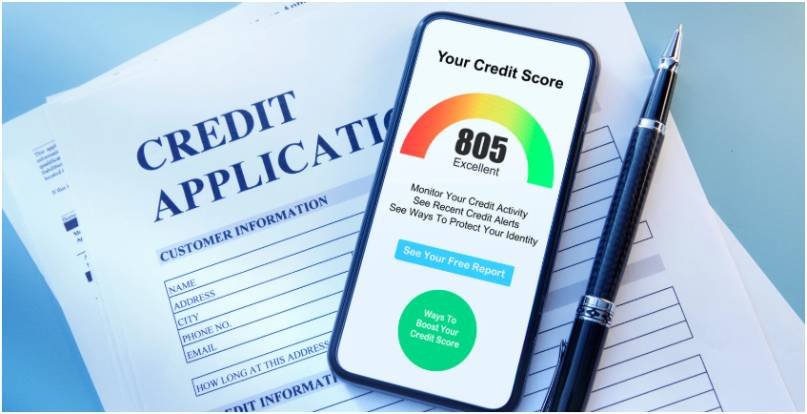
I treat my credit score the same way I treat my health routines—simple habits repeated consistently. When I first focused on how to improve credit score, I realized I didn’t need complicated strategies.
I just needed a steady system I could follow every month. Everything changed once I approached credit like a routine instead of a project.
Why does consistent payment behavior influence your credit score the most?
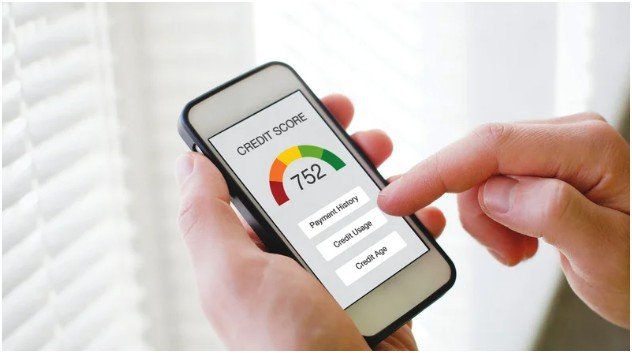
Payment history has the highest impact on your score, and I see the difference every single month. I follow one rule: never miss a due date. I set automatic payments for fixed bills and calendar reminders for anything variable. This removes last-minute stress and gives me predictable, clean billing cycles.
I also clear payments a few days early to avoid hiccups with bank delays. The consistency builds a strong pattern in my report, and that pattern matters. A single late payment can stay on your report for years, so protecting this habit always stays at the top of my routine.
Over time, this simple discipline becomes part of daily financial hygiene—just like checking balances, updating budgets, and tracking spending.
How does keeping credit utilization low improve your score?

I monitor my credit utilization throughout the month instead of waiting for the billing cycle to close. Staying below 30% makes a visible difference, and keeping it below 10% helps even more. When I see my spending inch upward, I make a quick mid-cycle payment to bring my ratio down.
I also spread expenses across more than one card instead of loading one card heavily. This keeps each account’s utilization lighter and more balanced. When possible, I request a higher credit limit to widen the margin, but I treat the limit as a buffer—not an invitation to spend more.
This habit creates a steady low-utilization environment, which lenders favor because it shows control and stability.
Why do old credit accounts play such an important role?
The length of your credit history contributes to your score, so I never close old cards unless absolutely necessary. Older accounts add depth, age, and trust to your profile.
To keep them active, I assign tiny recurring charges—like subscriptions or utility autopayments—to older cards. This prevents account closures due to inactivity and keeps the card relevant.
This habit keeps my average account age strong and helps maintain a larger available credit pool, which supports low utilization as well.
How do new credit applications affect your credit-building progress?
Before applying for new credit, I check if it aligns with my current financial goals. Hard inquiries cause temporary dips, and too many at once can signal risk to lenders. I space out applications and avoid opening accounts impulsively.
When planning for major loans, I stop applying for anything new months in advance. This helps my report stay clean, stable, and predictable. The fewer hard pulls I have during improvement phases, the smoother the credit-building process becomes.
How to Improve Credit Score: A Simple, Step-by-Step Routine
This is the exact system I follow, practical enough to maintain month after month.
Step 1: Automate essential payments
I automate credit cards, EMIs, and utilities so I don’t rely on memory or manual tracking. This protects the most important factor in my score.
Step 2: Keep utilization under 30% (preferably under 10%)
I watch my balances weekly and make mid-cycle payments to reduce the reported usage.
Step 3: Maintain old accounts with small recurring charges
Older cards stay active with minimal activity so I don’t lose credit age or available credit.
Step 4: Use structured debt repayment
I choose between debt snowball or avalanche and stick to it. Both reduce debt load and improve utilization over time.
Step 5: Review credit reports for errors
Every few months, I check my reports from TransUnion, Experian, and Equifax. If anything looks wrong, I dispute it immediately.
Step 6: Limit new credit inquiries
I avoid unnecessary applications and keep my report stable while building better credit.
Step 7: Use secured cards or credit-builder loans if rebuilding
These tools add structure and positive payment reporting without requiring high credit to start.
Should you become an authorized user to improve your score?
This habit works well if you join someone with long credit history, low utilization, and perfect payment behavior. When I follow this method, I choose someone financially disciplined because their habits show up on my report too.
It’s a helpful option for a thin credit file or early-stage credit building. However, I only rely on this method when I know the primary user maintains responsible patterns.
Which tools actually support credit-building the fastest?
| Tool | Best For | Pros | Cons |
| Secured Credit Card | Rebuilding or starting credit | Predictable, reports monthly, easier approval | Requires refundable deposit |
| Credit-Builder Loan | Establishing consistent payment history | Builds history without high spending | Funds locked until loan ends |
| Authorized User | Thin or new credit profiles | Instant age and positive history | Relies on another person’s habits |
Each tool supports consistent financial behavior, but none offer instant boosts. Credit grows through routines, not quick fixes.
FAQs About How to Improve Credit Score
1. How long does it take to see improvements?
Most improvements appear within a few billing cycles when your habits stay consistent. Larger gains come after several months of low utilization and on-time payments. Credit improvement moves gradually but reliably when you follow a structured routine.
2. Does paying twice a month help?
Yes. Mid-cycle payments reduce the balance reported to credit bureaus, lowering utilization. This habit keeps your profile cleaner and can create faster visible improvements.
3. Should I close unused credit cards?
I avoid closing them because it lowers available credit and reduces account age. Instead, I keep them active with small recurring charges so they continue supporting my score.
4. Can I rebuild credit without professional help?
Definitely. Most progress comes from habits like punctual payments, low utilization, error checking, and structured debt repayment. Professional services rarely do anything that you cannot do yourself for free.
The Credit Glow-Up: Your Future Score Starts With Today’s Habits
Your credit score improves through routines you repeat, not big dramatic changes. When your habits stay consistent—on-time payments, smart utilization, low inquiries, and clean reports—your score naturally rises and stays healthy.
The more stable your routine becomes, the easier credit management feels. Stick with your system, stay patient, and let your habits do the work.
Leave a Reply