

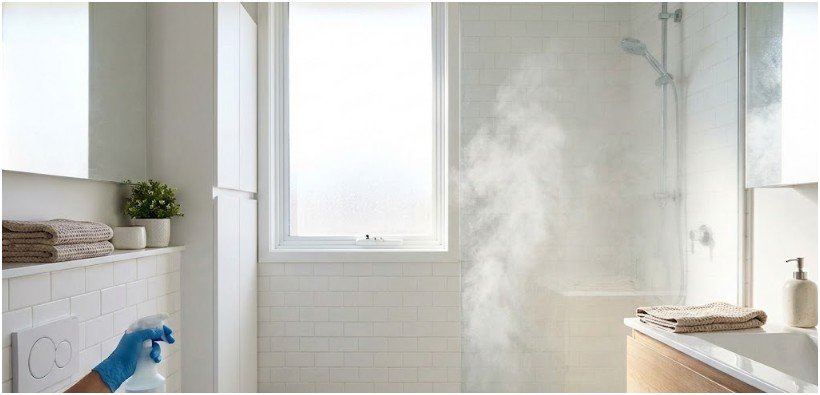
I’ll be honest with you—how to get rid of black mold wasn’t something I planned to become good at. One morning I walked into my bathroom and spotted a thin, suspicious-looking patch creeping along the caulking. I froze, stared at it like it just insulted me, and then Googled everything I could while holding my breath. That tiny patch taught me something important: mold grows fast, and avoiding it doesn’t make it disappear.
So now I handle black mold like part of my home-care routine, and I’m going to walk you through exactly how I manage it without panic, overwhelm, or harsh guessing.
What Should You Know Before Figuring Out How to Get Rid of Black Mold?
When I first started dealing with mold, I didn’t realize how much preparation mattered. You can clean every inch of visible growth, but if moisture sneaks back in, mold returns like it owns the place. That mindset shift helped me understand that this isn’t just a cleaning issue—it’s a lifestyle maintenance issue.
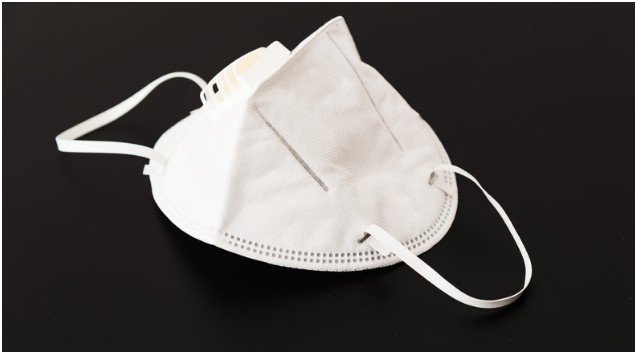
I always begin by airing out the space because mold spores float around when disturbed. I crack open windows, turn on exhaust fans, and put on gear like gloves, goggles, and an N95 mask. It sounds extreme, but trust me, you feel a whole lot better knowing your lungs stay protected.
Another thing that changed my routine: I started sealing off the area before cleaning. Plastic sheeting and tape may seem dramatic, but they stop spores from reaching other rooms. I learned the hard way that a few stray spores can sneak into places you never thought to check.
Which Cleaning Methods Actually Work When You Need to Know How to Get Rid of Black Mold?
Once I gather my supplies, I focus on what type of surface I’m cleaning because not all surfaces respond the same way.
For shiny, non-porous surfaces like tile or glass, I reach for bleach or hydrogen peroxide. Bleach works fast, and hydrogen peroxide feels like the gentler cousin that still gets the job done. I apply the solution, let it sit, and scrub with determination. Everything looks brighter instantly.
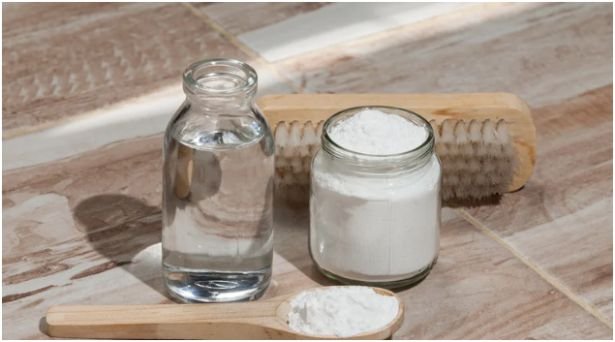
Porous surfaces require more patience. Wood, drywall, and grout tend to absorb moisture, so vinegar becomes my go-to. Vinegar seeps in deeper than bleach and dissolves roots better. Sometimes I use a baking-soda paste to scrub stains that want to hang around longer than they should.
When mold digs too deep into drywall or carpet, replacing the material becomes the only practical choice. It feels annoying in the moment, but the long-term peace of mind makes the decision worth it.
How Do You Stop Mold From Returning After You Clean It?

This part changed my home for good. Once you understand how to get rid of black mold, you also learn that prevention becomes your best friend.
For me, that meant fixing every tiny leak that previously felt harmless. A slow-dripping pipe or condensation-heavy window invites mold the way a warm bakery invites customers. I patch, seal, wipe, and tighten anything suspicious.
Humidity also plays a huge role. I keep my indoor humidity between 30% and 50%, which creates an environment mold finds boring and inhospitable. A dehumidifier became one of my best home investments—especially in bathrooms and basements.
And ventilation? I treat it like a non-negotiable habit. I run exhaust fans while showering and for 20 minutes afterward. I open windows more often. And wiping the shower walls with a quick squeegee became a small ritual that saves me hours of cleaning later.
How Do You Actually Start? (Step-by-Step How-To Guide)
How to Get Rid of Black Mold: Simple Step-by-Step Routine
Step 1: Gear Up
I put on gloves, goggles, and an N95 mask. Mold is tiny but mighty, and safety feels empowering.
Step 2: Ventilate and Seal
I open windows, turn on exhaust fans, and tape plastic over nearby doorways so spores stay contained.
Step 3: Choose the Right Cleaner
Bleach or peroxide for non-porous surfaces. Vinegar or baking soda for porous ones. I never mix cleaners—especially bleach and ammonia.
Step 4: Apply and Wait
The cleaning solution sits for about 10–15 minutes so it can break down mold at the root.
Step 5: Scrub Thoroughly
I scrub until the surface looks clean, then rinse and wipe dry. Moisture left behind can undo the work.
Step 6: Dry the Area Completely
Fans, open windows, or a dehumidifier help dry everything within 24–48 hours.
Step 7: Fix Moisture Sources
I repair leaks, improve ventilation, and reduce humidity so the mold doesn’t return.
FAQs About How to Get Rid of Black Mold
1. Does vinegar really work on black mold?
Yes, vinegar works well on porous surfaces because it penetrates deeper than bleach. I use it when cleaning wood, unsealed grout, or drywall. Vinegar kills mold roots instead of just bleaching the top layer, which makes it more reliable for long-term results. It may not remove heavy staining completely, but it does stop mold growth effectively.
2. Can I just paint over black mold?
Painting over mold hides the stain briefly, but the mold continues growing underneath. Mold also pushes paint away over time, which makes the damage worse. I always treat the mold first—clean, dry, repair the moisture source—and then repaint if needed. Mold prevents paint from sticking properly unless the surface becomes completely mold-free.
3. Is bleach the best cleaner for black mold?
Bleach cleans mold on hard surfaces, but it doesn’t penetrate porous materials. I use bleach on tile, glass, and sealed counters. For anything porous, vinegar or a specialized mold remover works better. Bleach can also create hazardous fumes, so good ventilation and proper mixing are essential.
4. Should I call a professional?
If the mold covers a large area (more than 10 square feet) or returns repeatedly, I call a professional. Hidden leaks, structural moisture, or HVAC mold require expert help. Small areas feel manageable, but large areas can hide deeper issues that only inspection-grade tools can detect.
A Sassy Little Wrap-Up: Mold Doesn’t Stand a Chance
You now know exactly how to get rid of black mold, and honestly, it feels empowering once you stop seeing mold as a villain and start treating it like a routine home chore. My final advice? Act early, stay consistent, and listen to what your home tries to tell you. Moisture never stays silent for long.
A mold-free home feels fresher, healthier, and surprisingly satisfying—and you absolutely deserve that.
Leave a Reply