


The first time I heard someone talk about annuity vs pension, I nodded like I understood everything… but didn’t. I mixed up payouts, contributions, lump sums—you name it. I treated retirement planning like something future-me would figure out someday.
But the moment I realized my savings weren’t magically going to stretch forever, I got serious and started learning how these two tools actually shape long-term financial security.
Now I treat pensions and annuities like two teammates: one helps me build a strong retirement fund, and the other helps me turn that fund into dependable income. Once I understood how they work, my entire approach to retirement became clearer, calmer, and honestly a lot more empowering.
What Is the Real Difference in Annuity vs Pension?
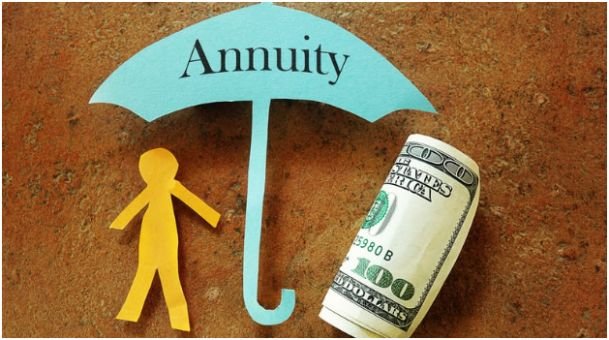
When I think of a pension, I think of the years I spend working, contributing money, and letting my employer or fund manager grow it for me. A pension focuses on accumulation. I don’t have to tweak numbers every month because it follows set rules, fixed contributions, and formula-based payouts after retirement.
An annuity feels different. It’s something I choose to buy—usually when I have a lump sum from my pension or other savings. It turns that lump sum into a predictable income stream. I get to choose when payments begin, how frequently I want them, and the level of risk I’m comfortable with.
That’s why understanding annuity vs pension matters so much: one builds your wealth, the other delivers it back to you as steady income.
Here’s a quick comparison table that helped me understand it better:
| Feature | Pension Plan | Annuity |
| Purpose | Builds a retirement savings corpus over time | Provides steady income during retirement |
| Funding | Contributions from you, employer, or both | Paid personally through lump sum or premiums |
| Provider | Employer, government, or pension fund | Insurance company |
| Flexibility | Limited; rules set by plan | High flexibility in payout style and timing |
| Risk | Fund manager controls risk; performance varies | Fixed annuities are low-risk; variable have market exposure |
| Payouts | Often a mix of lump sum + monthly pension | Guaranteed regular payments |
| Taxation | Contributions may be tax-deductible | Payouts are generally taxable |
Which One Works Better for Different Life Situations?

I learned that choosing between annuity vs pension has less to do with “better” and more to do with timing and lifestyle. When I started earning, a pension made complete sense. It forced me into disciplined saving. I didn’t have to debate every month whether I should invest or spend—I just contributed automatically.
As I got closer to retirement age, the conversation shifted. I wanted stability, predictability, and peace of mind. That’s where annuities shine. They lock in guaranteed payouts so you don’t outlive your savings.
If you’re salaried or early in your career, a pension gives structure.
If you’re nearing retirement or already sitting on a large corpus, an annuity brings emotional and financial comfort.
In many cases, both work beautifully together. A pension creates your base income, and an annuity adds an extra layer of steady cash flow.
How Do You Decide What Fits Best in Your Routine?
I started by asking myself three questions:
• How many years until I retire?
• Do I already have a pension or retirement savings?
• Do I value flexibility or guaranteed income more?
Your daily financial habits also influence the best mix. If you like automated savings and low involvement, a pension aligns naturally. If you prefer designing your own payout plan—monthly, quarterly, immediate, or deferred—annuities give you that freedom.
It’s also about your risk personality. Pensions come with fund manager oversight, while annuities let you pick between fixed stability or variable growth potential. Once I matched my tolerance with the right product, I felt more aligned with my retirement goals.
How Do You Actually Use Both Together?

Many people combine them because they balance each other. Here’s how I do it:
My pension builds my retirement corpus through years of contributions. When I retire, I can withdraw a portion as a lump sum and then use the remaining amount to buy an annuity. That annuity then pays me every month like a salary, keeping my lifestyle consistent.
This combination takes the anxiety out of running out of savings too early, because pensions grow over time and annuities distribute that money carefully across my retirement years.
How-To: How Do I Start Choosing Between Annuity vs Pension?
Step 1: Review your current savings
I look at how much I already save monthly and whether it aligns with my retirement age and lifestyle expectations.
Step 2: Understand your employer benefits
If you already have an employer pension, check how it’s structured and what payouts you can expect.
Step 3: Calculate your future expenses
Knowing what you will actually spend during retirement helps you understand whether you need an annuity for additional stability.
Step 4: Explore annuity types
I compare fixed, immediate, deferred, and variable annuities and choose the one that matches my timeline and risk comfort.
Step 5: Decide on your mix
For many, a pension acts as the foundation and an annuity adds stability. Your routine, risk level, and retirement timeline guide this mix.
FAQs About Annuity vs Pension
1. Do I need both a pension and an annuity?
Many people benefit from both. A pension helps you accumulate funds, while an annuity gives guaranteed income. If you want long-term security with predictable payouts, combining the two works extremely well.
2. Are annuity payouts really guaranteed?
Fixed annuities guarantee payouts because they’re backed by the insurance company’s contract. Variable annuities can fluctuate depending on market performance. So yes, you can get guaranteed payments—but choose the type carefully.
3. Can I buy an annuity without having a pension?
Absolutely. You can buy an annuity using any lump sum—savings, investments, or proceeds from selling assets. It doesn’t have to come from a pension fund.
4. What happens to my pension after I retire?
Most pension plans let you withdraw part of it as a lump sum. The rest becomes your monthly pension. The exact structure depends on your employer or pension scheme.
A Little Wisdom Before You Go
Retirement planning doesn’t need to feel overwhelming. Once I understood annuity vs pension in a practical, real-life way, the decisions became easier and more grounded. I treat my future self like someone I genuinely care about, and that mindset alone makes planning feel empowering rather than stressful.
If you build your pension steadily and use an annuity wisely, you create a retirement rhythm that feels stable, predictable, and comforting—exactly what most of us want later in life.
Leave a Reply