

Learning how to become a business coach has become a popular career move for professionals who want meaningful work, flexible income opportunities, and a role centered on helping others grow. Although the coaching industry is not formally regulated, clients expect expertise, credibility, and clear results. This means your success depends on the right mix of skill building, education, business planning, and strategic marketing.
You can too guide business owners, leaders, or teams toward improvement, this step by step guide gives you the clearest path to starting with confidence.
Understand the Role
A business coach supports clients in setting goals, refining strategies, navigating challenges, and maximizing their performance.
Unlike consulting, which focuses on delivering expert solutions, coaching is centered on helping clients develop their own insights and make decisions with confidence. Coaching is also different from therapy, which focuses on resolving past issues. Business coaching is forward focused and improvement oriented.
A strong business coach acts as a guide, accountability partner, and strategic thinker. The goal is to empower clients, not direct them.
Pick Your Niche
Choosing a niche is one of the most important parts of learning how to become a business coach. A niche helps you target a specific audience, refine your messaging, and stand out in a crowded market.
Your niche should align with your past experience and the problems you can solve with confidence. Common niches include:
- Small business growth
- Startup development
- Executive leadership
- Sales team performance
- Productivity coaching
- Industry specific coaching such as tech, healthcare, retail, or e commerce
Build Essential Skills
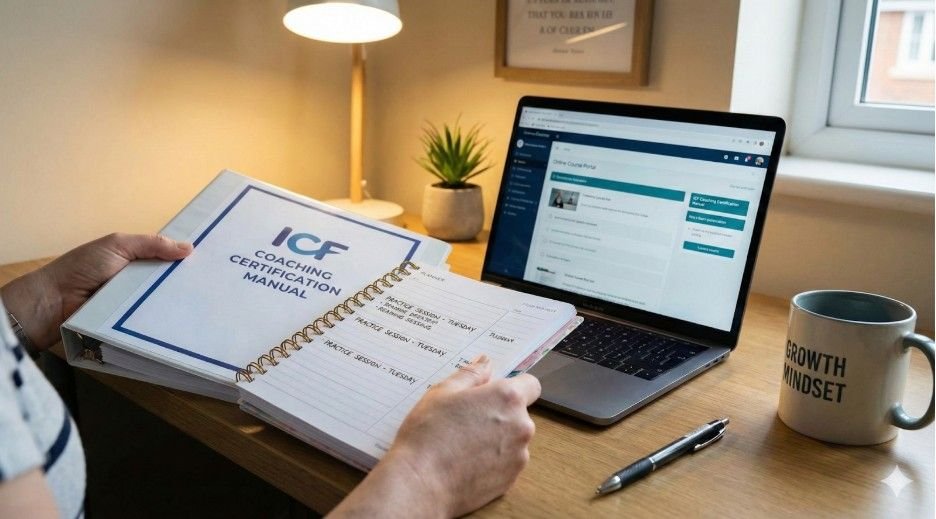
Successful business coaches invest consistently in developing their coaching and communication skills. High value coaching depends on your ability to listen deeply, ask powerful questions, identify blind spots, and help clients build practical strategies.
Continuous learning is necessary because clients rely on you for clarity and insight. Key skills include:
- Active listening
- Emotional intelligence
- Clear communication
- Accountability structure design
- Goal setting and action planning
- Strategic thinking
Pursue Education and Certification
Certification is not required in this industry, but it is highly recommended because it increases credibility and gives you access to proven coaching frameworks.
The International Coaching Federation (ICF) is considered the global standard for high quality training.
Its credentials include:
- ACC Associate Certified Coach
- PCC Professional Certified Coach
- MCC Master Certified Coach
Each credential requires coaching education hours, mentor coaching, and verified client coaching hours.
Even if you do not pursue certification immediately, choosing ICF accredited programs ensures your training meets industry standards.
Gain Coaching Experience
Experience is the most important confidence builder for new coaches. Start by offering practice sessions to colleagues, friends, or early clients. These sessions help you refine your coaching style, learn how to structure conversations, and gather testimonials.
These early experiences shape your coaching identity and prepare you for paid clients. Most coaches begin by:
- Offering pro bono sessions
- Charging a lower rate while building experience
- Asking for feedback after every session
- Documenting client progress for future case studies

Set Up Your Coaching Business
Once you feel comfortable with your coaching approach, it is time to formalize your business. Treat the business side of coaching as seriously as the coaching itself.
Building a professional website is also important. Your website acts as your digital office, showcasing your services, background, niche, testimonials, and booking options. Essential steps include:
- Writing a simple business plan
- Defining your pricing model
- Choosing a legal business structure
- Setting income and growth goals
- Creating a clear client contract
- Securing licenses or permits if required in your region
Market Your Services
Marketing is where many new coaches struggle, but it is also where the biggest opportunities lie. Clients cannot hire you if they do not know you exist, so visibility is a priority.
Many successful coaches offer a free initial consultation. This gives potential clients a risk free way to experience your coaching style and builds trust early. Effective strategies include:
- Networking with business owners and leaders
- Posting insightful content on LinkedIn
- Hosting free webinars or workshops
- Starting a blog that targets business coaching keywords
- Speaking at community events
- Building relationships through referrals
Improve Continuously
A strong coach is always learning. Collecting feedback from clients is essential for understanding what is working and what needs improvement. Create a simple system that allows clients to reflect on their progress and share their experience with your coaching.
Adapting to new information helps keep your coaching relevant and effective. Successful coaches regularly review:
- Their niche
- Their pricing
- Their coaching process
- Market trends
- Client needs and patterns

Frequently Asked Questions
1. Do you need a certification to become a business coach?
Certification is not mandatory, but it strengthens your credibility and gives you structured methods for working with clients. Many organizations prefer coaches with ICF accredited training because it shows commitment to industry standards.
2. Can you become a business coach without corporate experience?
Yes. Many coaches come from education, nonprofit leadership, entrepreneurship, or other industries. The key is understanding your strengths, choosing a niche you can support, and building strong coaching skills.
3. How long does it take to become a business coach?
Most new coaches take six to twelve months to complete training, build skills, gain experience, and attract their first clients. The timeline varies based on how much time you dedicate to practice and business setup.
4. How much do business coaches earn?
Income varies widely. New coaches typically earn modest amounts while building experience. Established coaches who specialize in executive or organizational coaching can earn significantly more. Your niche, expertise, and marketing strategy determine your long term earning potential.
A Smart Path Forward
Learning how to become a business coach is not only about credentials or marketing strategies. It is about building a profession rooted in clarity, empathy, and consistent improvement. When you combine strong coaching skills with a well defined niche and a solid business foundation, you create a practice that grows through trust, results, and long term client relationships.
If you commit to ongoing learning and structured professional development, you will not only become a capable coach but also a strategic partner for leaders and organizations who rely on your guidance to grow.
Leave a Reply