

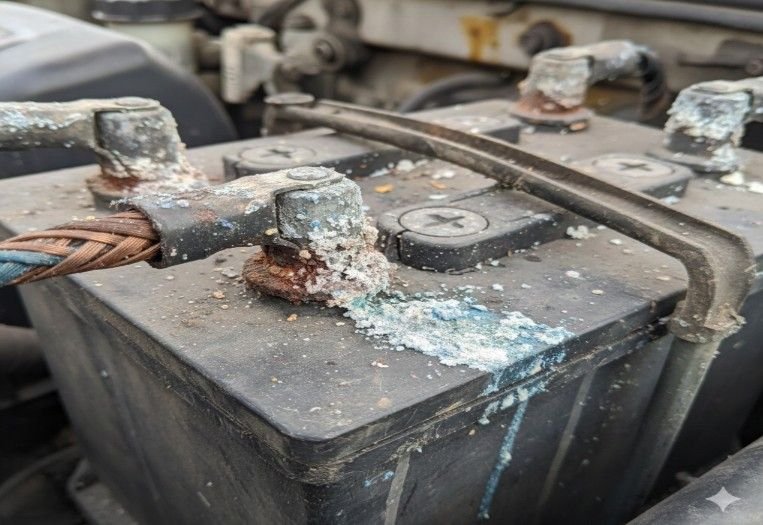
If you’ve ever opened a remote or looked under your car hood and found a crusty mess staring back at you, you know the exact moment your brain whispers, “Oh great… now what?” I’ve been there too—and learned that figuring out how to clean battery corrosion doesn’t have to feel intimidating or risky. Once you understand what that white or blue buildup really is and how to neutralize it safely, you can fix most issues in minutes and save your device (or your morning commute) with simple household items.
What Causes Battery Corrosion?
Battery corrosion happens when battery chemicals react with air, moisture, or heat over time.
On alkaline batteries (AA, AAA, C, D), the white flaky substance is usually potassium carbonate, created when potassium hydroxide leaks and reacts with carbon dioxide in the air.
On lead-acid car batteries, the white or greenish buildup is often crystallized acid residue formed when sulfuric acid vapors mix with moisture and hydrogen gas venting.
Because both types of residue are caustic, cleaning them requires care, the right neutralizer, and good protective gear.
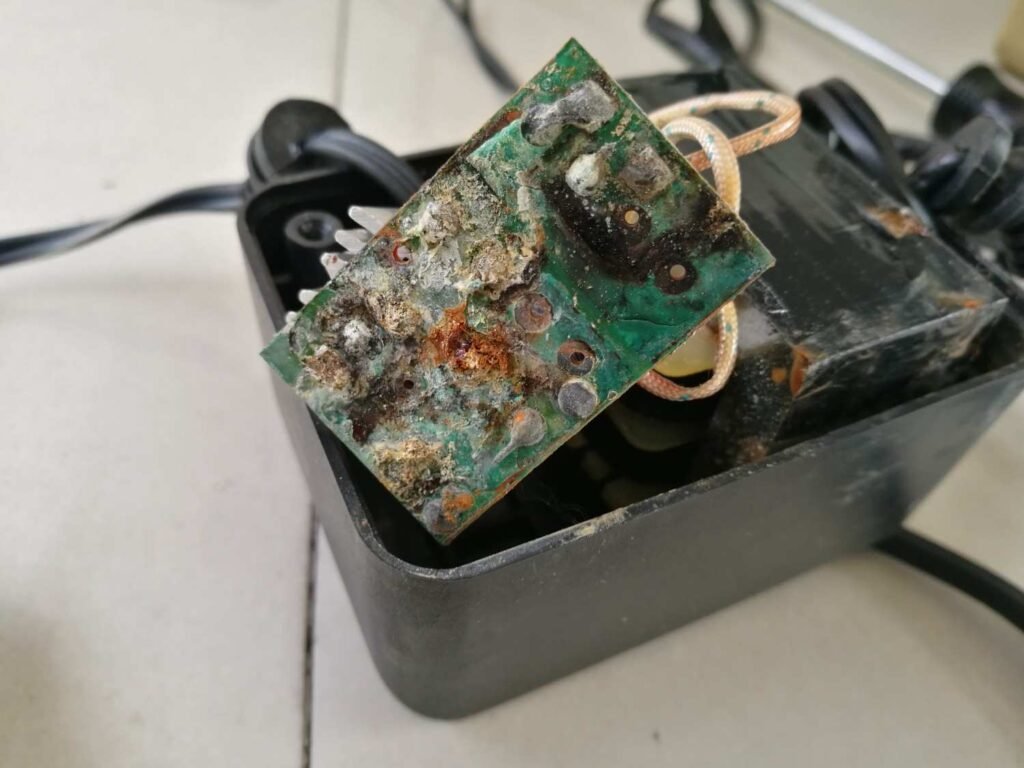
Safety First: What You Must Do Before Cleaning
Battery corrosion isn’t something you just wipe away. You’re dealing with chemicals, so safety comes first:
✔ Wear gloves and eye protection
Corrosion from both alkaline and lead-acid batteries can irritate or burn your skin and eyes.
✔ Ensure good ventilation
If you’re working indoors, keep a window open or run a small fan to direct fumes away, especially when neutralizing potassium hydroxide or sulfuric acid residue.
✔ Turn off the device or engine
For cars, always switch off the engine and remove the key.
✔ Disconnect the battery
For car batteries:
- Disconnect the negative (black) terminal first
- Then remove the positive (red) terminal
This reduces the risk of sparks.
✔ Inspect the battery
If the battery case is bulging, cracked, leaking, or hot to the touch—do not clean it. Replace it immediately following local hazardous-waste disposal rules. A damaged battery can release toxic vapors and is unsafe to handle.
How to Clean Battery Corrosion on Alkaline Batteries (AA, AAA, C, D)
Household battery corrosion happens in remotes, flashlights, toys, and small gadgets. Luckily, it’s usually easy to fix.
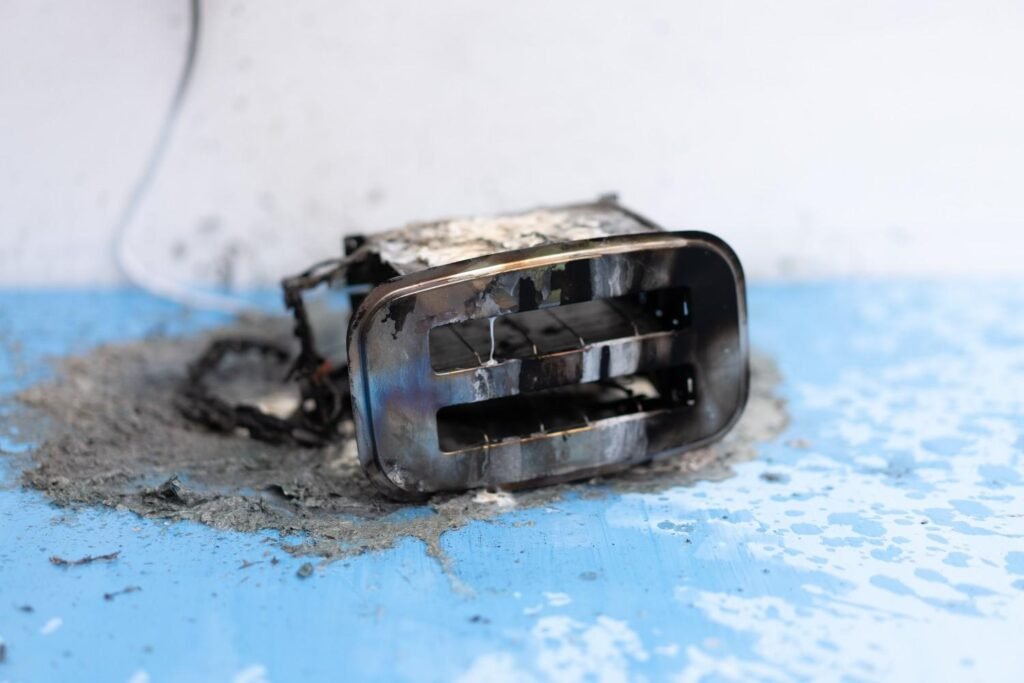
Step 1: Remove the batteries
If they’re leaking liquid, swollen, or split open—dispose of them safely instead of trying to clean or reuse them.
Step 2: Use the correct cleaner
Alkaline corrosion is basic, so you must neutralize it with a mild acid such as:
- White vinegar
- Lemon juice
Moisten a cotton swab or cloth with vinegar or lemon juice.
Step 3: Apply and let it fizz
Gently touch the corroded contacts. You may see a light fizzing reaction—that’s the acid neutralizing potassium carbonate.
Avoid using too much liquid because excess moisture can get into the device.
Step 4: Scrub carefully
Use fresh cotton swabs or a soft brush to lift the residue. Repeat with clean swabs until the contacts look clean.
Step 5: Clean with isopropyl alcohol (90% preferred)
After neutralizing the corrosion, wipe the area with 90%+ isopropyl alcohol.
This removes moisture, dries fast, and helps prevent future rust.
Step 6: Dry completely
Before inserting new batteries, let the device air-dry thoroughly.
How to Clean Battery Corrosion on Car Batteries
Car battery corrosion is extremely common and can prevent your engine from starting if ignored.
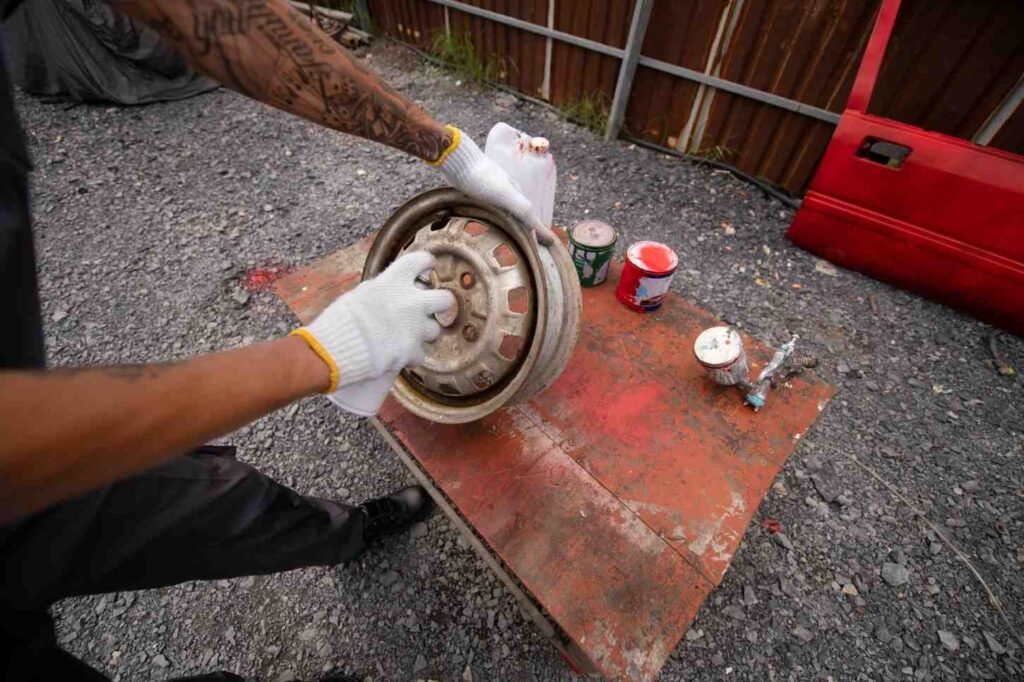
Step 1: Disconnect the terminals
Remember: negative off first, then positive.
Step 2: Neutralize with baking soda and water
Lead-acid battery corrosion is acidic, so you must neutralize it with a base:
- Mix 1 tablespoon baking soda with 1 cup warm water.
- Apply the mixture to the corrosion using a brush or cloth.
You’ll often see bubbling—this means the acid is being neutralized properly.
Also ensure the entire white or blue buildup is coated. It’s usually crystallized acid salts formed from hydrogen gas venting.
Step 3: Scrub the terminals
Use a stiff brush or battery-cleaning brush to remove residue.
Step 4: Rinse and dry
Rinse gently with a small amount of water (avoid splashing other engine components) and dry thoroughly with a clean rag.
Step 5: Optional—use a battery cleaner spray
Products like Shine Armor Battery Cleaner instantly neutralize acid and leave a protective coating. This matches what many car-care professionals recommend.
Step 6: Protect the terminals
To prevent future corrosion, apply one of the following:
- Dielectric grease
- Anti-corrosion spray
- Petroleum jelly (cheap and effective moisture barrier)
You can also use felt anti-corrosion washers that sit under the terminal clamps—these dramatically reduce future buildup.
Step 7: Reconnect the battery
Reconnect positive first, then negative.
How to Prevent Battery Corrosion Long-Term
You can reduce corrosion by:
- Storing devices in cool, dry places
- Removing batteries from devices that won’t be used for months
- Avoiding extreme heat (don’t leave electronics in hot cars)
- Never mixing old and new batteries—this is one of the biggest causes of battery leakage
- Using high-quality battery brands
- Inspecting car batteries during every oil change
Pro tip:
If corrosion returns quickly, it may indicate an aging battery, a malfunctioning alternator (in cars), or moisture entering the device’s battery compartment.
Frequently Asked Questions
1. Is it safe to clean battery corrosion at home?
Yes—if you use gloves, eye protection, and proper ventilation. For small electronics, vinegar or lemon juice works. For car batteries, use baking soda and water. If the battery is swollen or cracked, replace it.
2. Can vinegar clean battery corrosion?
Absolutely. Vinegar (or lemon juice) neutralizes the basic residue from alkaline batteries. But don’t use vinegar on car batteries—those need baking soda, not acid.
3. Why does battery corrosion keep coming back?
Common reasons include:
- Moisture entering the device
- Mixing old and new batteries
- Overcharging alternators (in cars)
- An aging battery that needs replacement
Persistent corrosion is usually a sign that something else is wrong.
4. Can petroleum jelly prevent corrosion?
Yes. A thin layer on the terminals helps block moisture and oxygen. Dielectric grease or anti-corrosion spray lasts longer, but petroleum jelly works surprisingly well for both household and car battery terminals.
Final Thoughts: The Smart Way to Clean Battery Corrosion
Battery corrosion isn’t just a cleanup task—it’s a reminder that small maintenance habits can save your gadgets, prevent car troubles, and even protect you from unexpected costs. Once you know how to clean battery corrosion the right way, you become the person who can rescue a “dead” remote, revive a toy, or stop a car from failing to start on a busy morning. And when you pair cleaning with a few easy prevention steps, you’re not just fixing corrosion—you’re extending the life of everything you rely on. A little awareness today means less frustration (and fewer surprises) tomorrow.
Leave a Reply